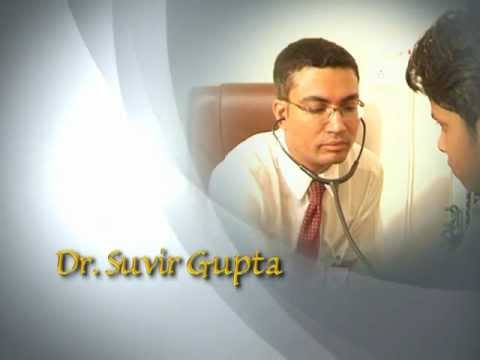
 Doctors at a super-speciality hospital in Agra, India, have for the first time successfully implanted a bioresorbable vascular scaffold or vanishing stent into a businessman for coronary artery disease (CAD). CAD develops when the arteries that supply blood to the heart become narrowed or blocked by a build-up of fatty deposits called plaque. As a result, it gets harder for the arteries to supply blood to the heart. BVS or Absorb is the latest advance in CAD therapy. A non-metallic mesh tube is delivered on an angioplasty balloon to treat a narrowed artery, similar to a stent, but it slowly dissolves once the blocked artery can function naturally again and stay open on its own, said senior cardiologist at the Lotus Super Speciality Hospital, Suvir Gupta
Friday, February 8, 2013
Vanishing stent successfully implanted in Agra hospital (India)
Doctors at a super-speciality hospital in Agra, India, have for the first time successfully implanted a bioresorbable vascular scaffold or vanishing stent into a businessman for coronary artery disease (CAD). CAD develops when the arteries that supply blood to the heart become narrowed or blocked by a build-up of fatty deposits called plaque. As a result, it gets harder for the arteries to supply blood to the heart. BVS or Absorb is the latest advance in CAD therapy. A non-metallic mesh tube is delivered on an angioplasty balloon to treat a narrowed artery, similar to a stent, but it slowly dissolves once the blocked artery can function naturally again and stay open on its own, said senior cardiologist at the Lotus Super Speciality Hospital, Suvir Gupta
No comments:
Post a Comment