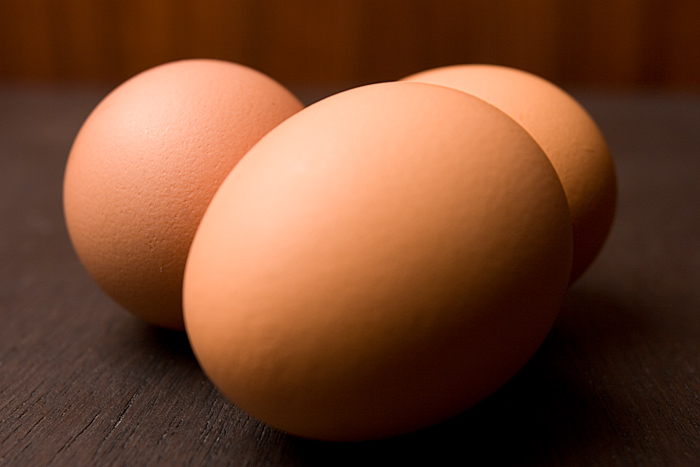
 "It may be time to rethink the egg-white omelet. Popular on breakfast menus with dieters and cholesterol watchers, they're often prepared with chopped spinach and tomatoes and arrive with whole-grain toast. By forgoing the traditional three-egg western omelet stuffed with ham and cheese, you're definitely choosing a breakfast lower in total calories, fat and cholesterol when you go with the egg-whites-and-veggies-only choice. But that doesn't mean saying no to yolks is always the healthiest thing to do, because when you throw out the yolk you're missing out on some pretty powerful nutrients. While the white of a large egg is virtually fat-free and a bit higher in protein than the yolk (3.6 grams compared to 2.7 grams protein), the yellow center is where nutrients, including vitamins, minerals and other compounds, are stored" - Cox
Wednesday, November 5, 2008
Take a look at the sunny side of egg yolk
"It may be time to rethink the egg-white omelet. Popular on breakfast menus with dieters and cholesterol watchers, they're often prepared with chopped spinach and tomatoes and arrive with whole-grain toast. By forgoing the traditional three-egg western omelet stuffed with ham and cheese, you're definitely choosing a breakfast lower in total calories, fat and cholesterol when you go with the egg-whites-and-veggies-only choice. But that doesn't mean saying no to yolks is always the healthiest thing to do, because when you throw out the yolk you're missing out on some pretty powerful nutrients. While the white of a large egg is virtually fat-free and a bit higher in protein than the yolk (3.6 grams compared to 2.7 grams protein), the yellow center is where nutrients, including vitamins, minerals and other compounds, are stored" - Cox

Subscribe to:
Post Comments (Atom)
No comments:
Post a Comment