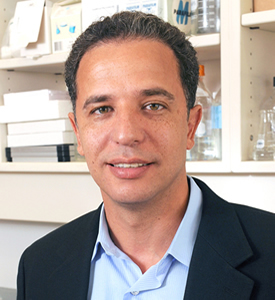
 Researchers at University of Texas Southwestern Medical Center have identified a specific gene that regulates the heart's ability to regenerate after injuries. The function of the gene, called Meis1, in the heart was not known previously. The findings of the UTSW investigation are available online in Nature. "We found that the activity of the Meis1 gene increases significantly in heart cells soon after birth, right around the time heart muscle cells stop dividing. Based on this observation we asked a simple question: If the Meis1 gene is deleted from the heart, will heart cells continue to divide through adulthood? The answer is 'yes'," said Dr. Hesham Sadek, assistant professor of internal medicine in the division of cardiology, and senior author of the study. In 2011, Dr. Sadek's laboratory showed that the newborn mammalian heart is capable of a vigorous, regenerative response to injury through division of its own cells. As the newborn develops, the heart rapidly loses the ability to regenerate and to repair injuries such as heart attacks
Thursday, April 18, 2013
Gene found that regenerates heart tissue (USA)
Researchers at University of Texas Southwestern Medical Center have identified a specific gene that regulates the heart's ability to regenerate after injuries. The function of the gene, called Meis1, in the heart was not known previously. The findings of the UTSW investigation are available online in Nature. "We found that the activity of the Meis1 gene increases significantly in heart cells soon after birth, right around the time heart muscle cells stop dividing. Based on this observation we asked a simple question: If the Meis1 gene is deleted from the heart, will heart cells continue to divide through adulthood? The answer is 'yes'," said Dr. Hesham Sadek, assistant professor of internal medicine in the division of cardiology, and senior author of the study. In 2011, Dr. Sadek's laboratory showed that the newborn mammalian heart is capable of a vigorous, regenerative response to injury through division of its own cells. As the newborn develops, the heart rapidly loses the ability to regenerate and to repair injuries such as heart attacks

Subscribe to:
Post Comments (Atom)
No comments:
Post a Comment