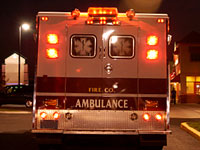
 "December 26 is historically one of the most dangerous days of the year for people vulnerable to cardiac problems, including heart attacks, arrhythmias, and heart failure. And many of these so-called Merry Christmas coronaries will hit people who didn't even realize they were at risk when they unwrapped their gifts the day before. But the holiday season isn't good for heart health to begin with. A 2004 study by researchers at the University of California, San Diego and Tufts University found that heart-related deaths increase by nearly 5% during the holidays, perhaps because patients delay seeking treatment for heart problems or because hospital staffing patterns change. But anecdotally, doctors say that their ERs stay quiet on Christmas Day itself. Then, come December 26, they see a surge of cardiac traffic. A 2008 study found that daily visits to hospitals for heart failure increased by 33% during the four days after Christmas"
Friday, December 24, 2010
Why the day after Christmas is hazardous to your heart (USA)
"December 26 is historically one of the most dangerous days of the year for people vulnerable to cardiac problems, including heart attacks, arrhythmias, and heart failure. And many of these so-called Merry Christmas coronaries will hit people who didn't even realize they were at risk when they unwrapped their gifts the day before. But the holiday season isn't good for heart health to begin with. A 2004 study by researchers at the University of California, San Diego and Tufts University found that heart-related deaths increase by nearly 5% during the holidays, perhaps because patients delay seeking treatment for heart problems or because hospital staffing patterns change. But anecdotally, doctors say that their ERs stay quiet on Christmas Day itself. Then, come December 26, they see a surge of cardiac traffic. A 2008 study found that daily visits to hospitals for heart failure increased by 33% during the four days after Christmas"

Subscribe to:
Post Comments (Atom)
No comments:
Post a Comment